
where time stands still: the most well-preserved places on earth
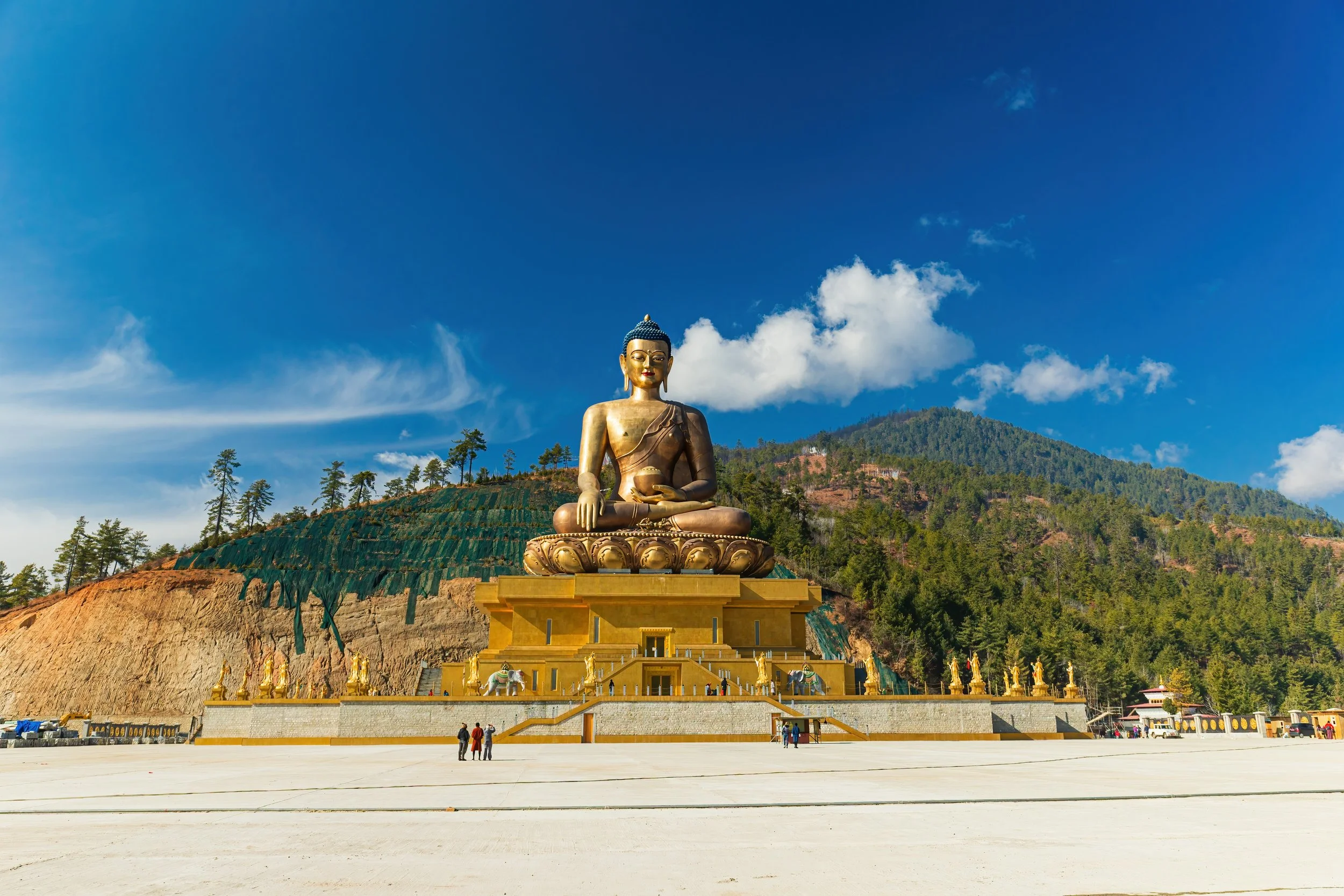
In a world that’s constantly evolving, some destinations have managed to stand still in time. These remarkable places aren’t just historical landmarks…they’re living memories, free from the noise of modern life. Whether nestled in mountains, perched on cliffs, or tucked away in hidden valleys, these spots let you experience history firsthand. From cobbled streets to ancient rituals and breathtaking architecture, here’s where the past isn’t just remembered, it’s part of the story unfolding around you.
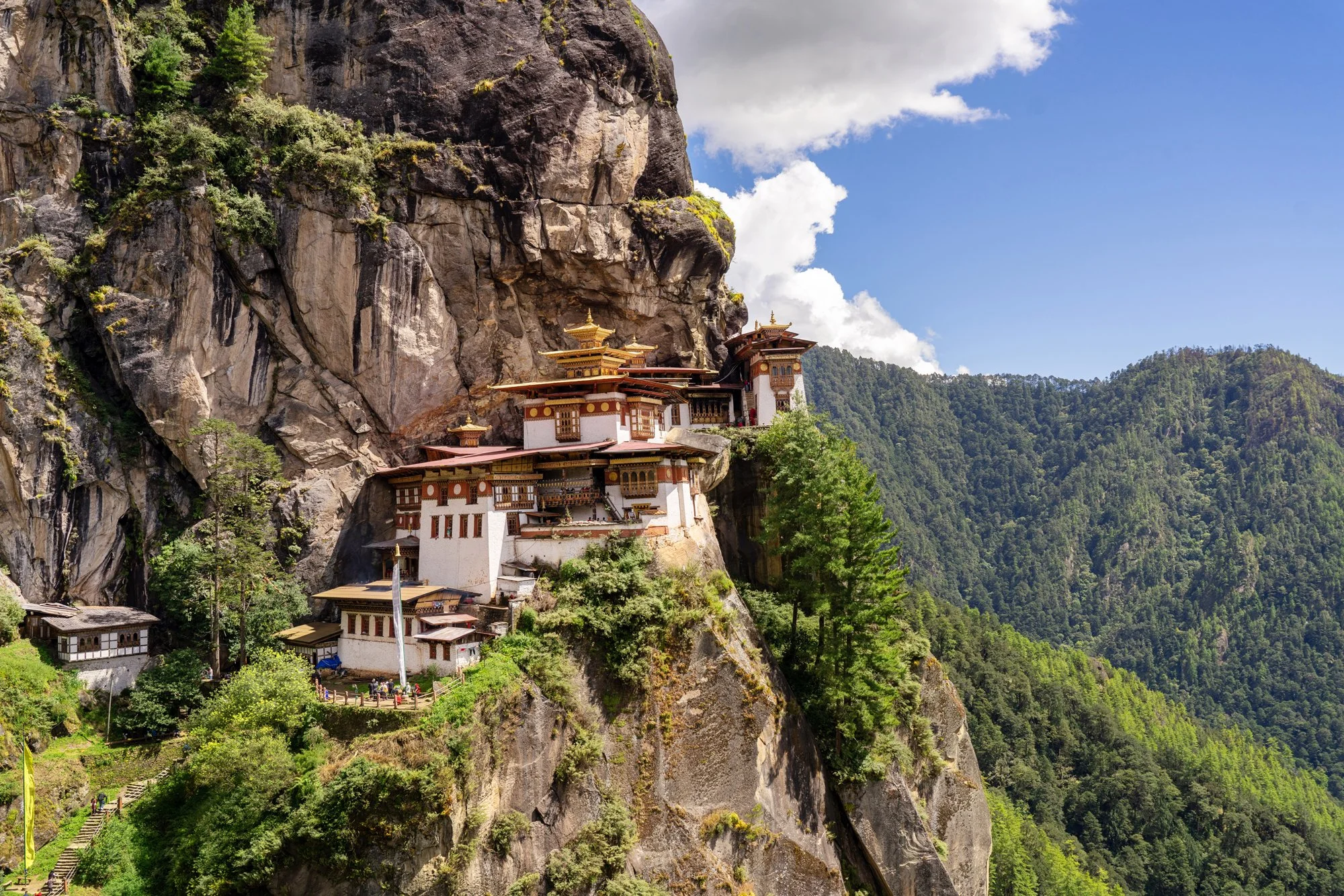
Bhutan – The Last Shangri-La
Tucked away in the Himalayas, Bhutan is a nation that has fiercely preserved its culture, traditions, and environment. The country follows a unique approach to modernization, prioritizing Gross National Happiness over economic growth and limiting mass tourism to protect its heritage. The capital, Thimphu, remains the only capital city in the world without traffic lights, and many Bhutanese still wear traditional attire as part of daily life. With ancient dzongs (fortresses), Buddhist monasteries, and pristine landscapes, Bhutan feels like a place where time has truly stood still.
Matera, Italy – The Ancient Cave City
Carved into the rugged landscape of southern Italy, Matera is one of the world’s oldest continuously inhabited cities, dating back over 9,000 years. Its Sassi cave dwellings, built directly into limestone cliffs, create an otherworldly setting that feels more like an ancient film set than a real place. Once abandoned and left in decay, Matera has since been restored, earning UNESCO World Heritage status and becoming a living museum of human civilization. Strolling through its labyrinthine streets, you’ll find centuries-old churches, cave hotels, and a culture that remains deeply connected to its past.
The Old Town of Tallinn, Estonia – A Medieval Fairytale
Tallinn’s Old Town is one of the most beautifully preserved medieval cities in Europe. Surrounded by formidable stone walls, its cobblestone streets, Gothic spires, and merchant houses have remained virtually unchanged since the 13th century. Walking through the city feels like stepping back into a world of knights, merchants, and bustling market squares. Unlike many European cities that have modernized their historical centers, Tallinn has fiercely protected its medieval charm, making it an immersive time capsule of Hanseatic history.
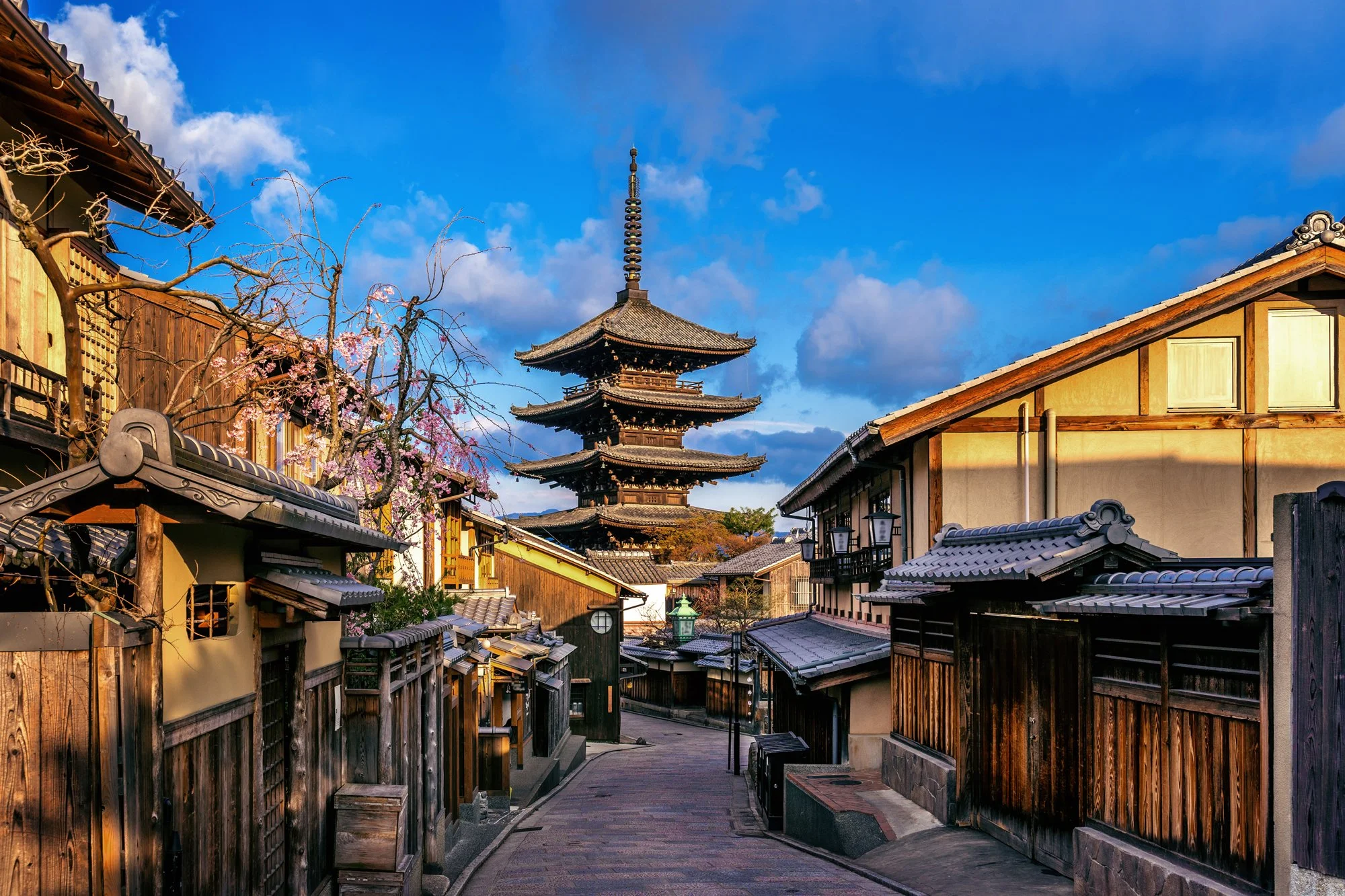
Kyoto, Japan – The Soul of Old Japan
Kyoto, once the imperial capital of Japan, is where ancient traditions still thrive in a modern world. With over 2,000 temples and shrines, meticulously preserved tea houses, and streets lined with wooden machiya houses, Kyoto is a living museum of Japan’s rich cultural past. The district of Gion, famous for its geisha culture, remains much as it was centuries ago, with lantern-lit alleyways and tea ceremonies unchanged by time. Unlike Tokyo, where modern skyscrapers dominate, Kyoto continues to honor its traditions, making it one of the most well-preserved historical cities in the world.
Lalibela, Ethiopia – The Underground Holy City
Hidden in the Ethiopian Highlands, Lalibela is a place of spiritual and historical wonder. Its 11 monolithic churches, carved directly into the earth, date back to the 12th century and remain active centers of worship today. Unlike many historical sites that have become mere tourist attractions, Lalibela’s churches are still used for religious ceremonies, preserving centuries-old traditions. The air here is thick with the scent of frankincense, and the sound of chanting priests echoes through underground tunnels, making it one of the most mystical and well-preserved places in the world.
Český Krumlov, Czech Republic – A Renaissance Dream
Tucked away in the Bohemian countryside, Český Krumlov is a medieval jewel that has barely changed since the 16th century. Its fairy-tale castle, winding river, and red-roofed houses make it look like a scene from a storybook. Unlike other European towns that have been altered by modern architecture, Český Krumlov remains frozen in time, its Renaissance and Baroque buildings untouched. The town’s historical preservation has been so meticulous that it is now a UNESCO-listed site, attracting travelers eager to experience Europe as it once was.
Why These Places Matter
In a rapidly changing world, places like these serve as reminders of our history, our roots, and the beauty of preservation. They stand as living proof that not everything needs to be modernized to be valuable. Whether it's a medieval town, an ancient cave city, or a remote village frozen in time, these destinations allow travelers to experience history—not just in museums or books, but in real, tangible ways.
So, if you’re looking for a journey that transcends time, consider visiting one of these remarkable places. The past isn’t just remembered, but still very much alive.